Why Japanese Chicken Ramen Is Gaining Popularity in Singapore
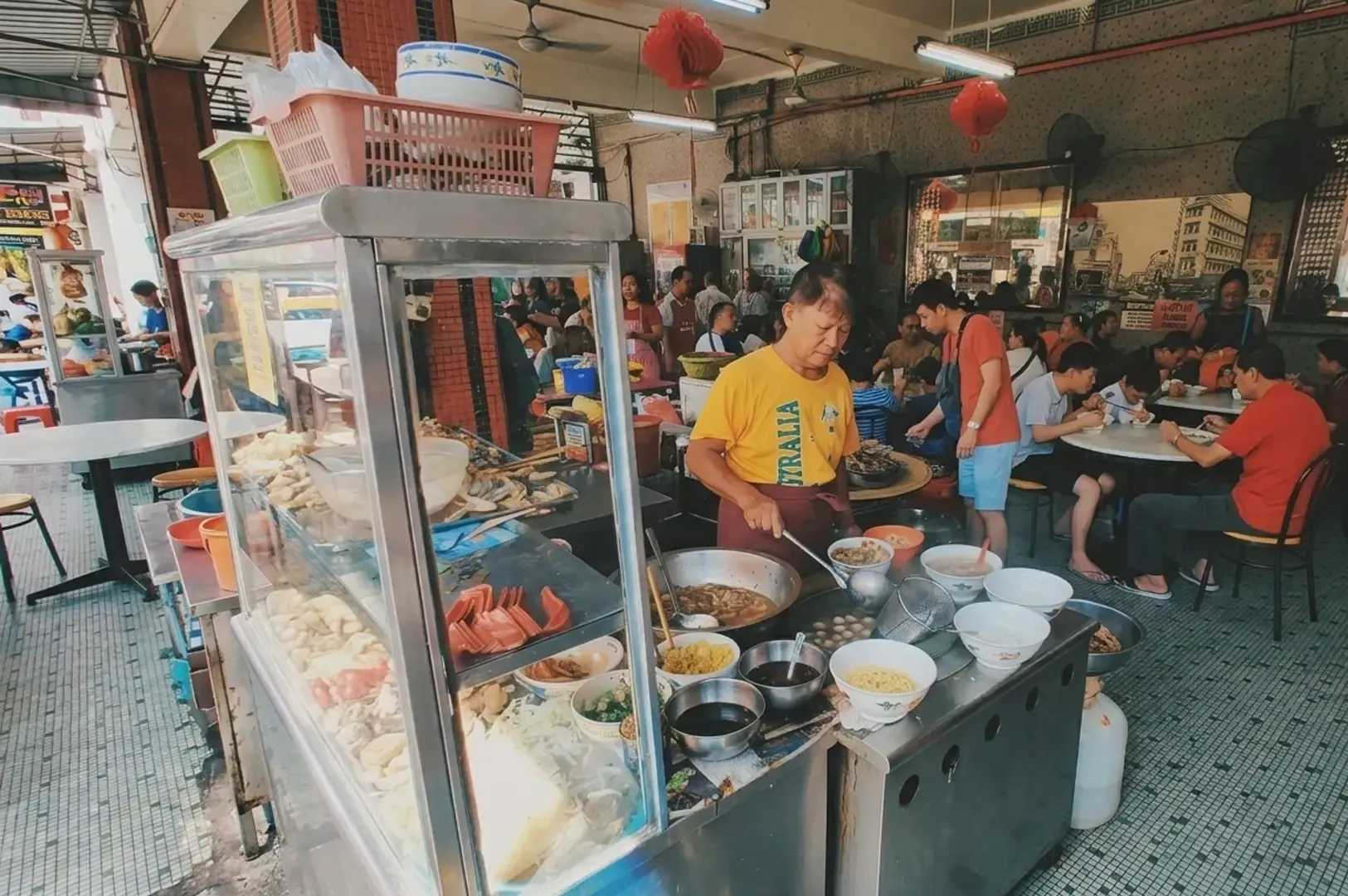
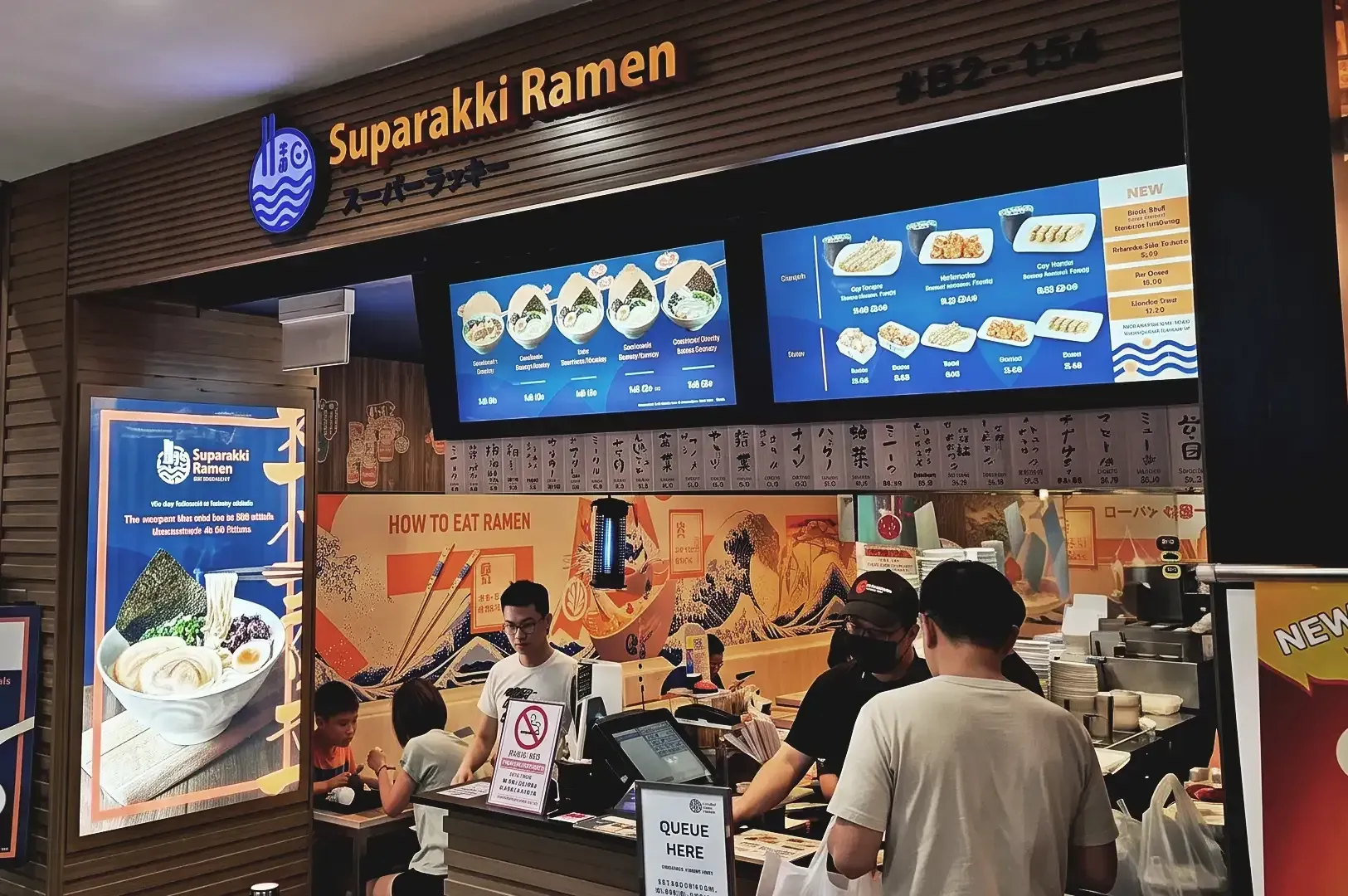
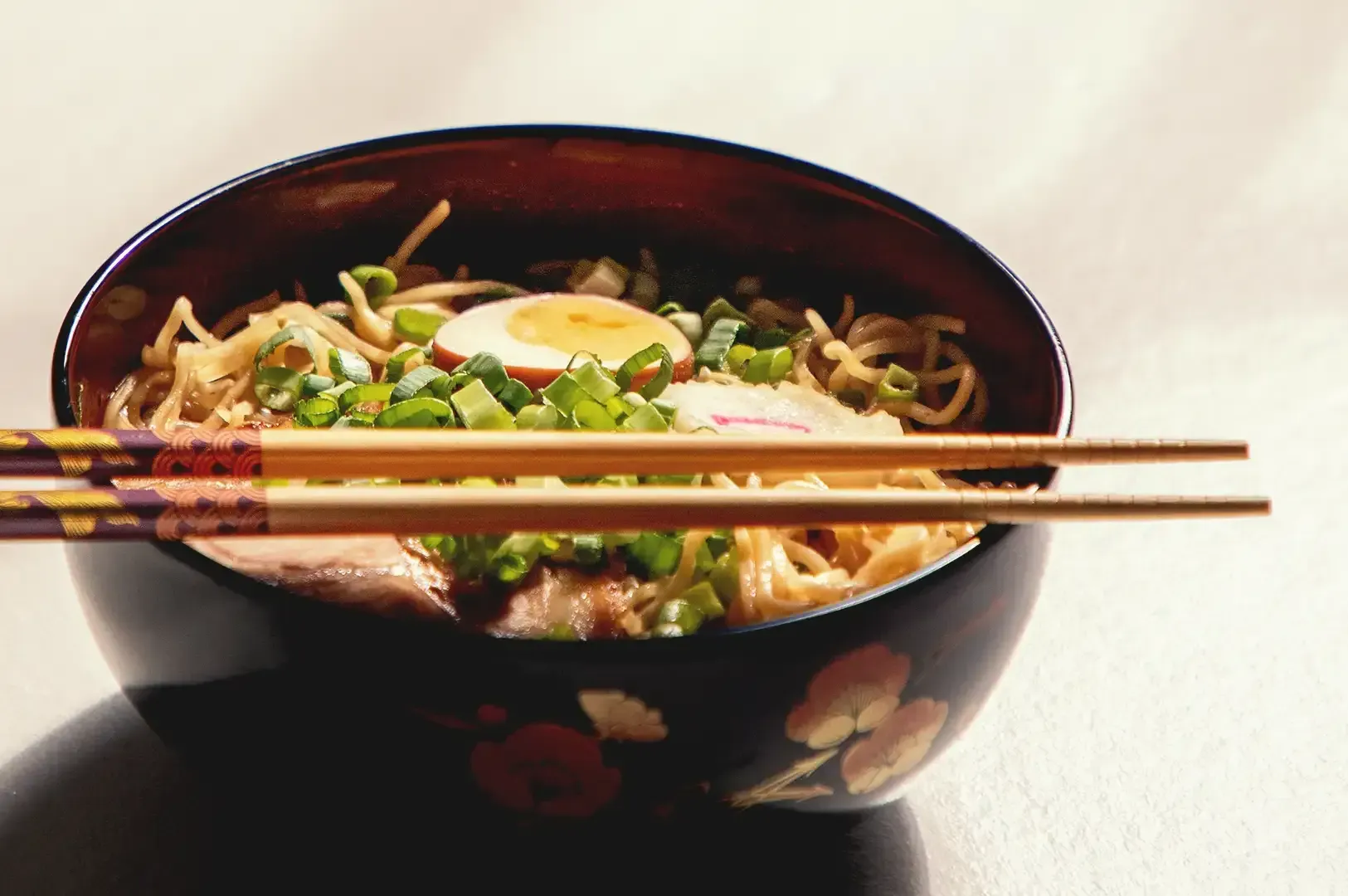
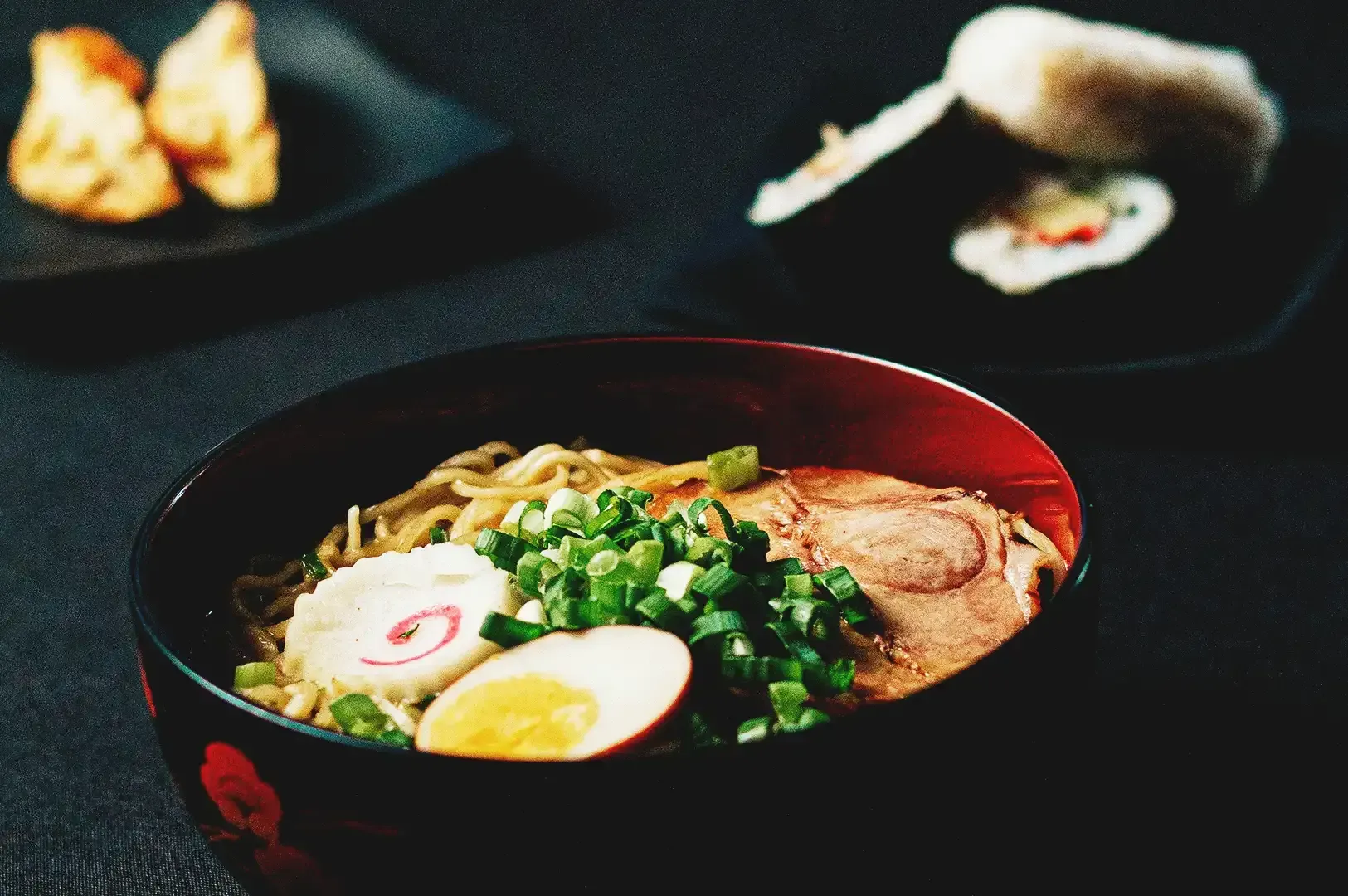
The lunchtime heat in Singapore is unforgiving. You step out of an air-conditioned office tower into the thick, humid air of the central business district. Your stomach is rumbling, and you crave something deeply comforting. A few years ago, if you were a Japanese chicken ramen fan like me, your go-to was probably a thick, heavy bowl of pork-based tonkotsu soup. But lately, I’ve noticed a subtle shift happening across the island. Long queues are forming outside small, specialized eateries serving something different. Diners, myself included, are enthusiastically slurping down bowls of golden, aromatic chicken broth ramen.
This is not a fleeting trend. The rise of
chicken stock-based
ramen in Singapore represents a fascinating evolution in our local food culture. It perfectly intersects with our climate, our diverse population, and a growing desire for meals that leave us feeling energized rather than exhausted. As Japanese cuisine trends continue to influence our dining scene, the humble chicken has stepped up as the new star of the ramen world.
The Perfect Match for a Tropical Climate: Easy Chicken Broth

To understand why chicken broth works so well here, we must look at our environment. Slurping a boiling hot, fat-heavy bowl of pork broth in a tropical country can sometimes feel like an endurance test. It is delicious, but it is incredibly heavy and high in saturated fat. In local slang, eating too much rich food gives you a "jelak" feeling. It is that sensation of being overly full and slightly sluggish.
Chicken broth offers a brilliant solution. It delivers all the savory satisfaction and warmth of traditional Japanese comfort food without the overwhelming heaviness. The broth feels lighter on your stomach, made from a simple recipe using chicken bones, fresh ginger, garlic, and other ingredients slowly simmered in a big stockpot. I love that you can finish a whole bowl, step back out into the afternoon sun, and keep going with your day, no need for a nap. This cleaner finish is a huge plus for office workers like me who want a satisfying yet manageable lunch.
The Magic of the Broth: Homemade Chicken Stock from Chicken Bones

The culinary technique behind homemade chicken stock is a true art form and key ingredient in Japanese chicken ramen. When you visit these specialized shops, you will generally encounter two distinct styles of soup. Understanding these cooking methods helps you appreciate exactly what is in your bowl.
The Clarity of Chintan: Low Heat Simmered Chicken Stock
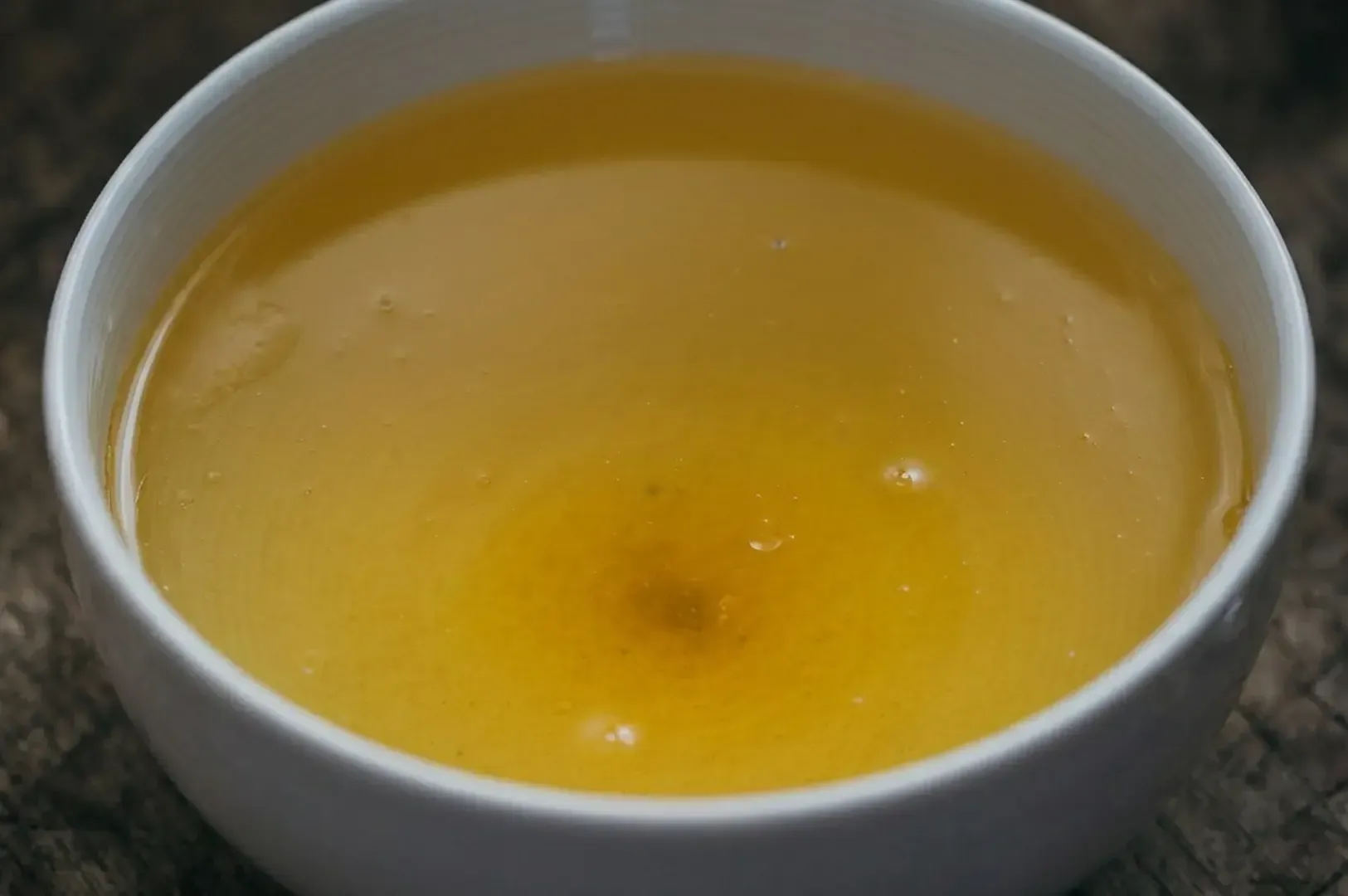
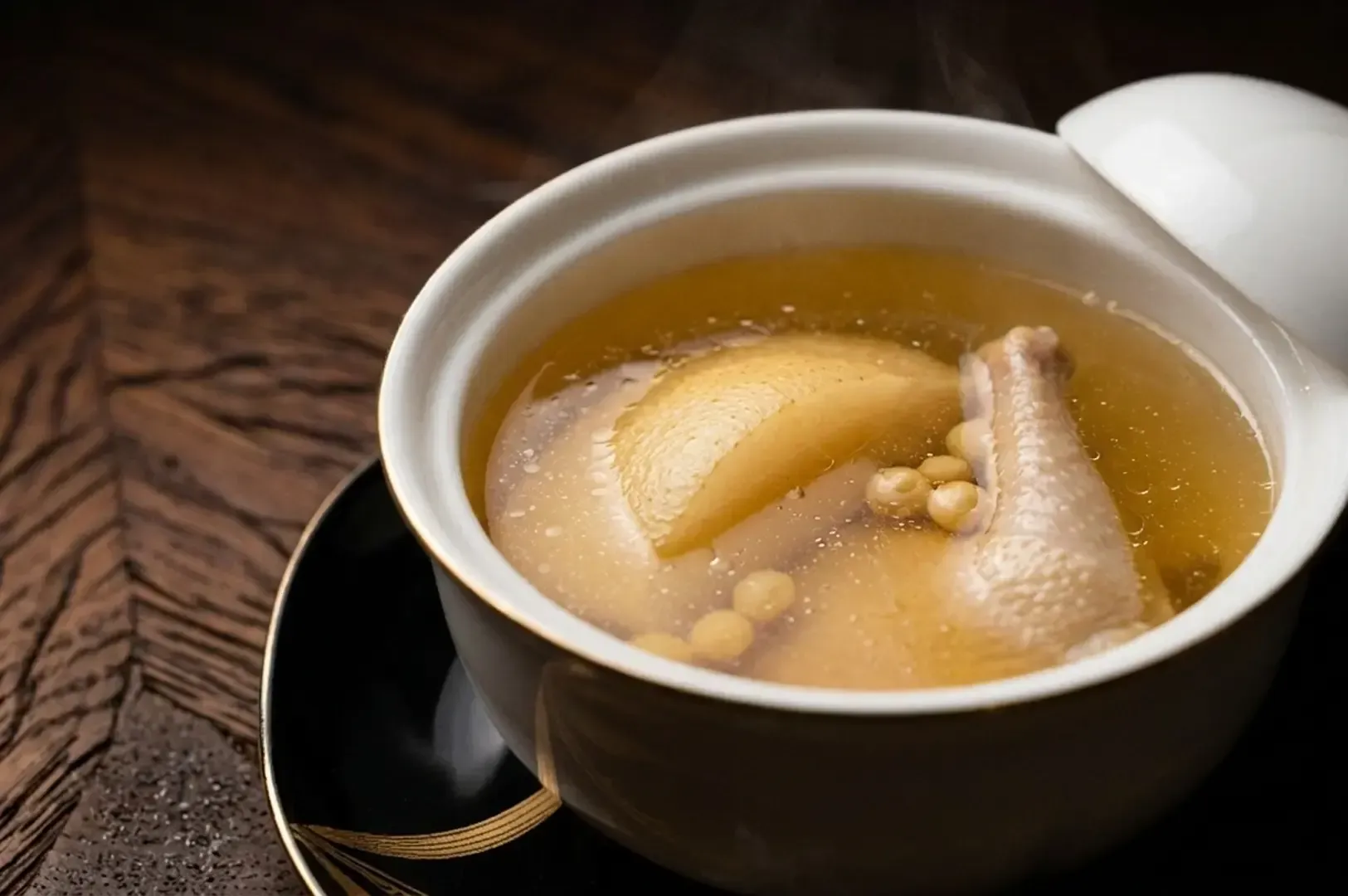
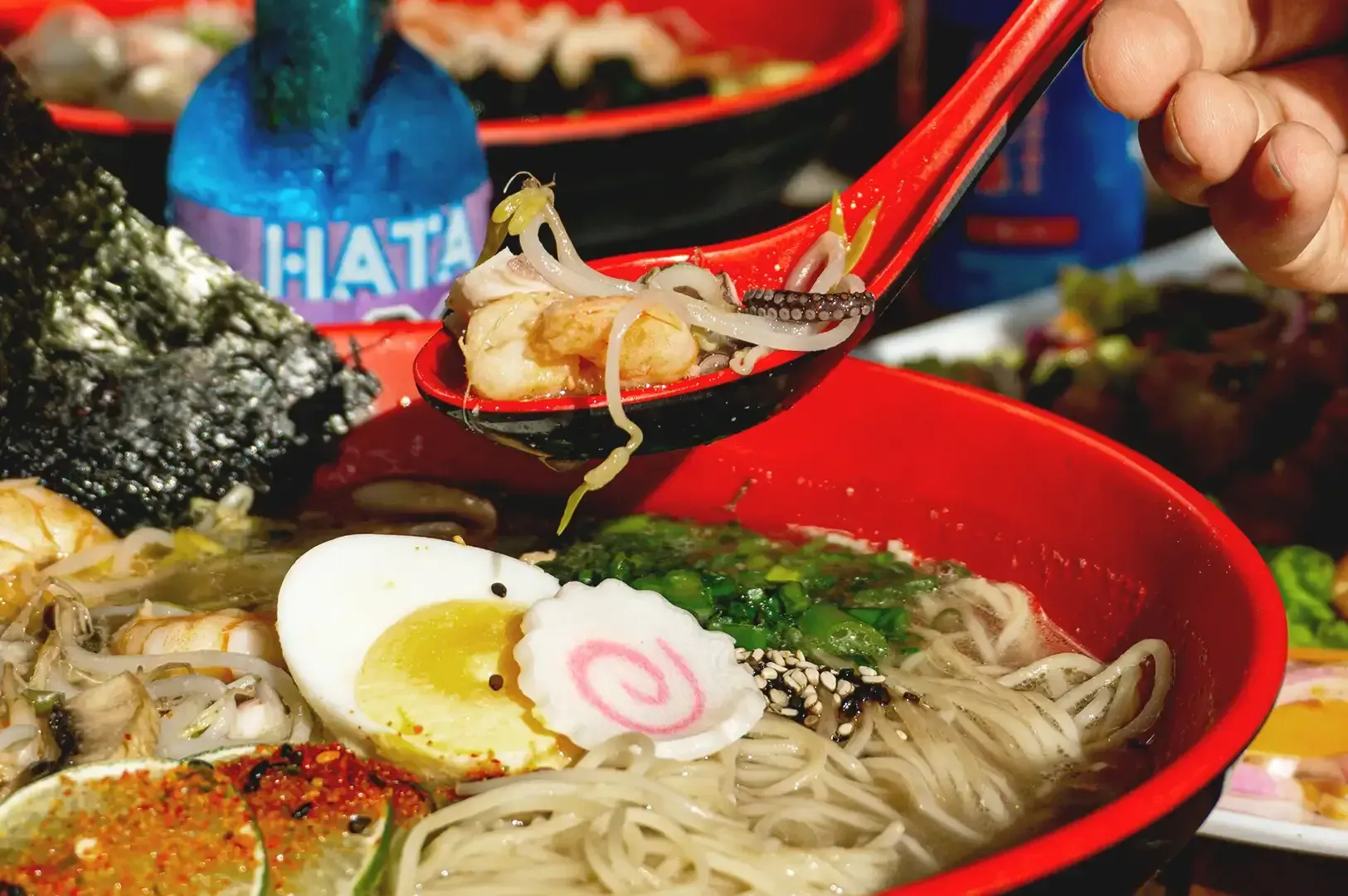
Chintan means clear soup. To get this delicate broth, chefs gently simmer chicken bones, chicken thighs, chicken breast, and vegetables at a low, steady temperature for several hours. They make sure the liquid never reaches a full boil. This careful approach keeps the fats and proteins from mixing in a way that would cloud the broth. The result? A beautiful, translucent golden broth bursting with pure chicken flavor.
It might look light, but don’t be fooled, it’s packed with rich umami. A chintan bowl really shines thanks to its tare, the savory seasoning base usually made from soy sauce, sugar, and salt. When I first tried making chintan-style broth at home, I was honestly amazed at how such a simple technique could create such a refined, clean flavor. It gave me a new appreciation for the patience and precision behind traditional Japanese cooking.
Using every ingredient thoughtfully and seasoning gently really lets the natural chicken essence take center stage. This method truly honors the philosophy of using the whole chicken and letting its true taste shine through, something I find deeply satisfying in every spoonful.
The Creaminess of Paitan: High Heat Boiled Chicken Stock
If you prefer a richer mouthfeel, tori paitan is your answer. Paitan means white soup. To make this, chefs boil chicken bones rapidly at high heat in a pot or instant pot. The violent boiling breaks down the bones, cartilage, and fat.
The natural collagen melts and emulsifies directly into the water. This creates a thick, creamy, and visually opaque broth. It provides the luxurious, lip-smacking texture that people love about pork broth, but it retains the sweeter, more familiar flavor of roasted chicken.

Chicken Broth and Fried Chicken: Serving Suggestions and Popular Dishes

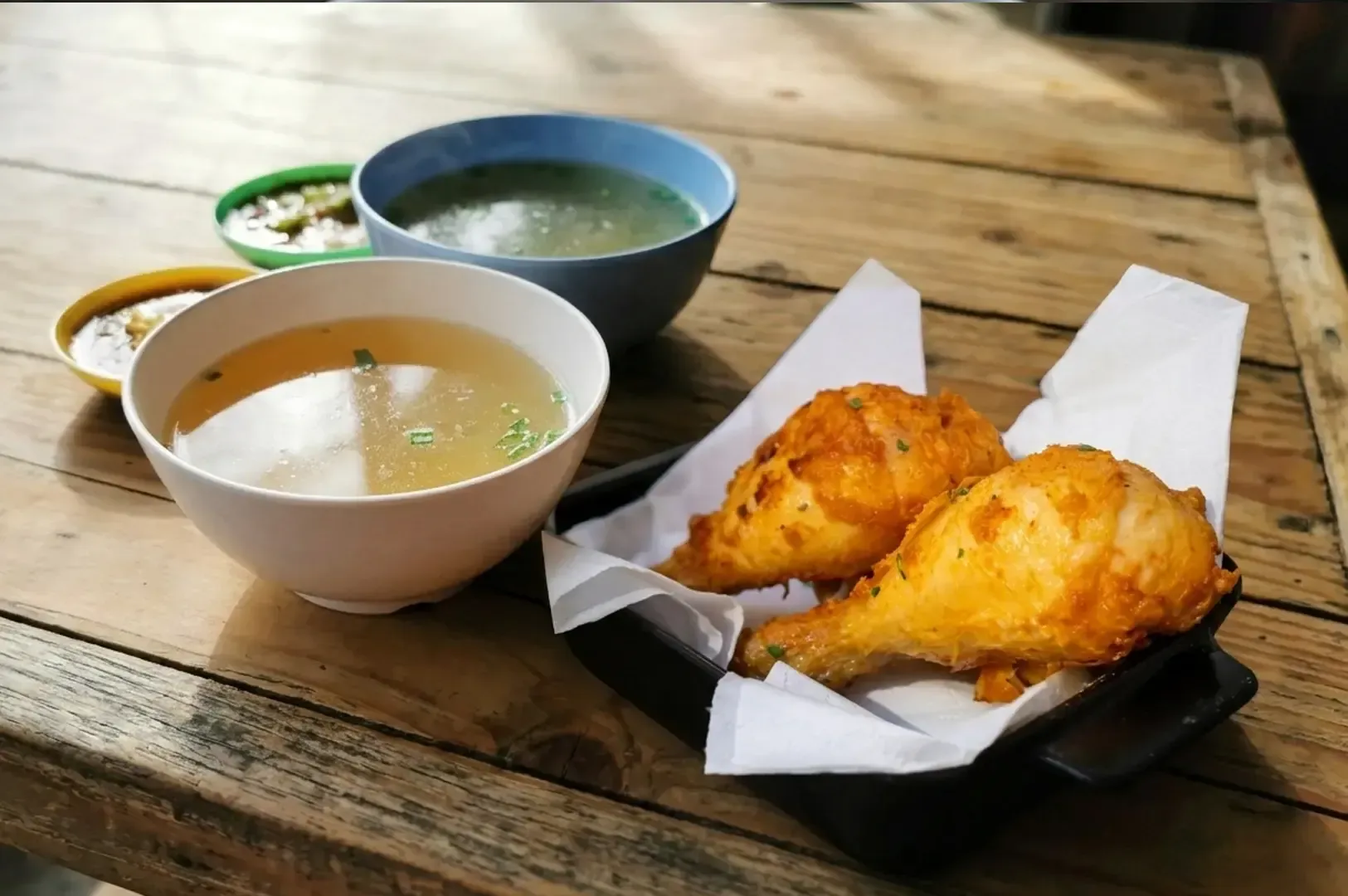
Chicken broth ramen is often paired with tender pieces of cooked chicken, such as chicken thighs or chicken breast, to complement the broth’s flavor. Japanese fried chicken, or karaage, is another beloved dish that pairs well with ramen or as a standalone meal. This fried chicken is made by marinating chicken pieces in soy sauce, garlic, and fresh ginger, then coating them in potato starch and frying at medium heat until crispy. The contrast between the crispy fried chicken and the warm, flavorful broth is such a great recipe combination.
Another popular serving suggestion is the egg rice bowl, or oyakodon, which combines chicken mixture simmered in a broth with eggs served over hot steamed rice. This simple recipe highlights the versatility of chicken in Japanese cuisine and is a favorite among home cooks for quick, one pot meals.
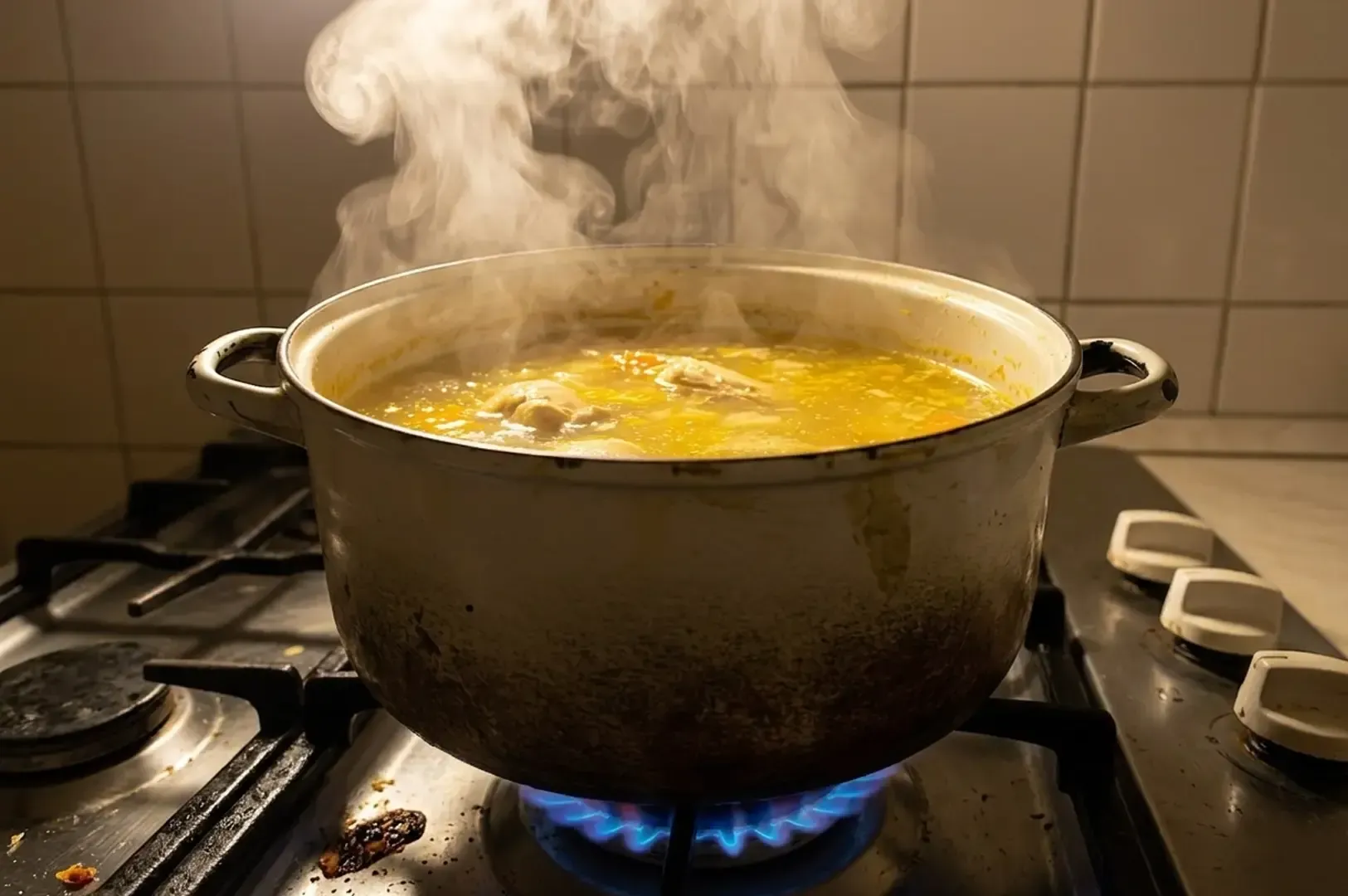
If you’re interested in trying your hand at making chicken broth at home, I recommend using a large pan or stockpot to simmer chicken bones slowly with aromatics like garlic, ginger, and green onions. This method yields a clear, flavorful broth that serves as a perfect base for ramen or other soups.
Many recipe reviews praise this approach for its simplicity and delicious results, making it a fantastic recipe for both beginners and experienced cooks. Don’t forget to check required recipe ratings and share your feedback to help others discover this comforting dish.
Health Perceptions and Nutrition Facts of Chicken Broth Ramen

The shift toward chicken is also heavily driven by changing lifestyle habits. Singaporeans are becoming more mindful of nutrition calories and nutrition facts. While ramen is fundamentally a comfort food, diners are actively seeking lighter ramen options that fit their daily nutritional goals.
Chicken broth naturally feels leaner and contains less saturated fat compared to pork broth. It is rich in vitamin C and other nutrients from fresh ginger and vegetables used in the broth. The use of chicken breast and chicken thighs provides tender pieces of meat that are high in protein. This makes chicken ramen an incredibly popular choice for gym-goers who want a high-protein, restorative meal after a workout.
One Pot Meals and Instant Pot Convenience for Home Cooks
For home cooks, making chicken broth ramen at home has become easier than ever. Using an instant pot or a large stockpot, you can prepare easy chicken broth or homemade chicken stock with step by step photos and simple recipes available online. The cooking method involves simmering chicken bones, chicken pieces, garlic, green onions, and other ingredients in cold water, then straining through a fine mesh strainer to achieve a clear broth.
This approach allows home cooks to create flavorful ramen broth with minimal effort and prep time. The residual heat from the pot keeps the broth warm, while the broth can be stored for later use. Many recipe reviews praise this method as such a great recipe for beginners and experienced cooks alike. Don’t forget to rate this recipe and comment something to share your experience!
Personal tip: For an extra depth of flavor, try stirring in a small piece of kombu (dried kelp) during the last 30 minutes of simmering. It adds a subtle umami boost without overpowering the delicate chicken broth.
Rate This Recipe and Join the Broth Revolution

The evolution of ramen in Singapore proves that our local food scene is always maturing. We are moving beyond the mindset that a meal must be incredibly heavy to be satisfying. Chicken-based ramen offers a masterclass in balance, technique, and thoughtful flavor pairing. It proves that simplicity, when executed with passion and precision, is utterly unbeatable.
The next time you find yourself craving a warm, comforting bowl of noodles, I encourage you to look beyond the usual rich options. Step into a specialized chicken ramen shop or try making your own easy chicken broth ramen at home. Use chicken thighs or chicken breast as your protein, add fresh ginger and green onions for flavor, and enjoy a bowl filled with pure chicken flavor.
Happy cooking and don’t forget to check required fields are marked when submitting your recipe rating online. Share your favorite discoveries with friends, support local chefs, and taste exactly why this lighter, vibrant style of cooking is taking the city by storm.
Craving for authentic dry ramen or any ramen in Singapore? Just click and visit
A Subtle Yet Memorable Bowl Awaits at Marutama Ramen Singapore
Recent Posts